
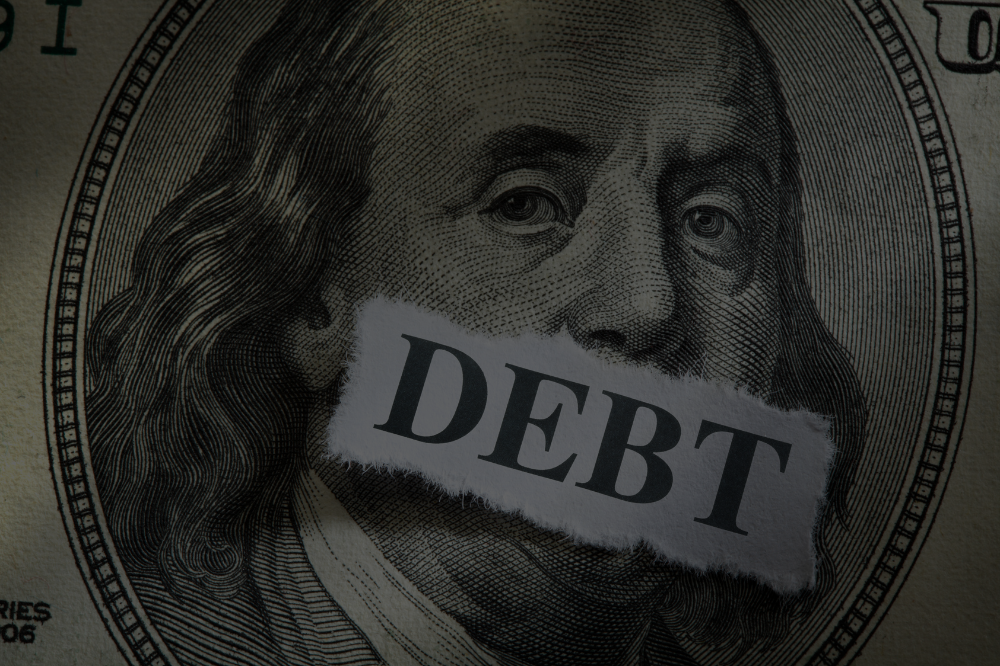
When debt becomes difficult to manage, many consumers begin researching solutions that can help reduce financial pressure. Two of the most common options are debt settlement vs debt consolidation, but they work in very different ways and are designed for different situations.
Choosing the wrong approach can create additional financial challenges, while selecting the right one may help simplify repayment and improve long-term financial stability. Understanding how each strategy works is the first step toward making an informed decision.
What Is Debt Consolidation?
Debt consolidation combines multiple debts into a single loan or payment.
Instead of managing several balances with different due dates and interest rates, the borrower uses a new loan, balance transfer, or consolidation program to pay off existing debts. Afterward, only one payment remains.
Debt consolidation is commonly used for:
- Credit card balances;
- Personal loans;
- Medical debt;
- Other unsecured debts.
The primary goal is usually to simplify repayment and potentially reduce interest costs.
What Is Debt Settlement?
Debt settlement involves negotiating with creditors to accept less than the full amount owed.
In many cases, a borrower or settlement company attempts to reach an agreement in which the creditor accepts a reduced lump-sum payment to resolve the debt.
Debt settlement is generally considered by people experiencing significant financial hardship who may be struggling to keep up with required payments.
Unlike consolidation, settlement does not combine debts into a new loan. Instead, it focuses on reducing the amount owed through negotiation.
Debt Settlement vs Debt Consolidation: Key Differences
The two strategies address debt problems in very different ways.
| Factor | Debt Consolidation | Debt Settlement |
|---|---|---|
| Main objective | Simplify repayment | Reduce total debt owed |
| New loan required | Often yes | No |
| Impact on creditors | Debts paid in full through consolidation | Creditors may accept less than owed |
| Credit score impact | Can be moderate or positive over time | Often significantly negative |
| Best suited for | Borrowers who can still make payments | Borrowers facing severe hardship |
| Risk level | Generally lower | Generally higher |
Understanding these differences can help borrowers identify which approach aligns better with their circumstances.
When Debt Consolidation May Be the Better Option
Debt consolidation is often considered by borrowers who remain financially stable but want a more manageable repayment structure.
For example, someone carrying balances across several credit cards may benefit from combining those debts into a single payment with a potentially lower interest rate.
Debt consolidation may be attractive when:
- Monthly payments remain affordable;
- Credit scores are still relatively healthy;
- The goal is simplifying finances;
- Interest costs are creating challenges;
- Debt repayment remains realistic.
Because creditors are generally paid in full, consolidation tends to involve fewer long-term consequences than settlement.
When Debt Settlement May Be Appropriate
Debt settlement is usually considered when debt has become difficult or impossible to repay under existing terms.
Borrowers facing job loss, major medical expenses, reduced income, or severe financial hardship sometimes explore settlement as a way to avoid even more serious outcomes.
Situations that may lead consumers to consider settlement include:
- Significant delinquent debt;
- Multiple missed payments;
- High financial distress;
- Limited repayment capacity;
- Risk of default.
However, settlement involves substantial trade-offs that should be carefully evaluated before proceeding.
How Each Option Affects Credit Scores
Credit impact is one of the most important differences in the debt settlement vs debt consolidation discussion.
Debt consolidation may initially cause small fluctuations in credit scores, particularly if a new loan is opened. However, successfully managing consolidated debt can support long-term credit improvement.
Debt settlement often carries more significant consequences because accounts may become delinquent before settlements occur. Settled accounts can remain visible on credit reports and may affect future borrowing opportunities.
For borrowers concerned about preserving credit, this distinction is particularly important.
Cost Considerations
Neither strategy is necessarily free.
Debt consolidation may involve:
- Loan origination fees;
- Balance transfer fees;
- Interest charges;
- Administrative costs.
Debt settlement programs may include:
- Negotiation fees;
- Service fees;
- Potential tax implications on forgiven debt;
- Accumulated interest and penalties before settlement.
Reviewing the total financial impact is essential before choosing either path.
Can Debt Consolidation Save Money?
In some situations, yes. If a borrower qualifies for a lower interest rate than the rates attached to existing debts, consolidation may reduce the overall cost of repayment. It can also make budgeting easier by replacing multiple due dates with a single monthly payment.
However, savings are not guaranteed. Extending repayment over a longer period may lower monthly payments while increasing the total amount paid over time.
For that reason, borrowers should evaluate both monthly affordability and total repayment costs.
What Are the Risks of Debt Settlement?
Debt settlement can provide relief for some borrowers, but it also carries meaningful risks.
Potential concerns include:
- Credit score damage;
- No guarantee that creditors will settle;
- Collection activity during negotiations;
- Fees charged by settlement companies;
- Possible tax consequences.
These risks help explain why settlement is generally viewed as a last-resort strategy rather than a first option for managing debt.
How to Decide Between the Two
The best choice depends largely on financial circumstances.
Borrowers who can still meet their obligations and want a simpler repayment structure often find debt consolidation more suitable. Those facing severe financial hardship may consider debt settlement when repayment under existing terms is no longer realistic.
Before making a decision, it is helpful to evaluate:
- Total debt balances;
- Monthly income;
- Current payment status;
- Credit score goals;
- Long-term financial plans.
A clear understanding of these factors can make the decision much easier.
Debt Settlement vs Debt Consolidation: Which Is Better?
The answer to debt settlement vs debt consolidation depends on the borrower’s financial condition. Debt consolidation is generally designed for individuals who can still repay their debts but want a more manageable structure, while debt settlement is often reserved for situations involving significant financial hardship.
Because the consequences can differ substantially, it is important to compare costs, risks, and long-term effects before choosing a strategy. The option that provides the greatest relief today should also support financial recovery in the future.
Frequently Asked Questions
Typically no. Debt consolidation usually reorganizes existing debt into a new loan or payment structure, but the full balance generally remains owed.
Debt settlement often has a more significant negative impact on credit scores because accounts may become delinquent before settlement agreements are reached.
Yes. Many borrowers use personal loans, balance transfers, or specialized programs to consolidate multiple credit card balances into one payment.
No. Creditors are not required to agree to settlement proposals and may reject negotiation attempts.
Many financial professionals view debt consolidation as a lower-risk option for borrowers who still have the ability to repay their debts, while debt settlement is often considered when severe financial hardship limits repayment options.