
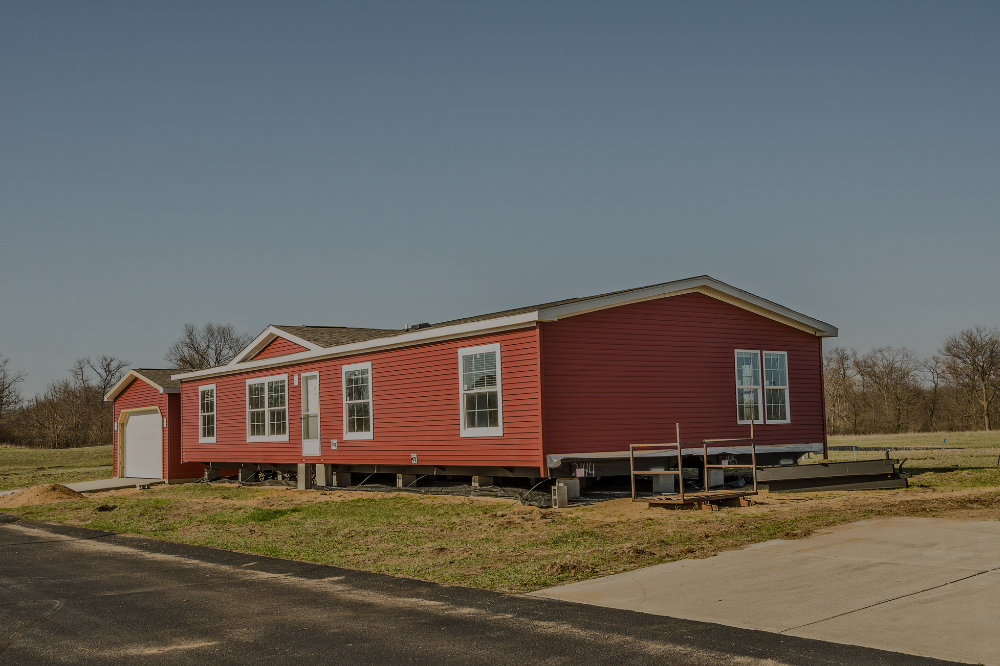
Manufactured home financing depends on the type of property you plan to buy, whether you own the land, and the loan programs available to you. These factors can affect your eligibility, upfront expenses, and long-term housing costs.
This guide compares the main loan options, explains common requirements, and shows you how to evaluate lenders before choosing a financing arrangement.
1. Compare the Main Loan Options
Manufactured homes can qualify for different types of financing depending on the property and the buyer’s circumstances. Start by identifying which loan categories fit your purchase.
| Loan type | What to know |
|---|---|
| Conventional mortgage | May finance eligible manufactured homes classified as real property |
| FHA loan | Offers government-backed financing for qualifying buyers and properties |
| VA loan | May help eligible veterans and other qualified borrowers purchase eligible homes |
| USDA loan | May cover qualifying manufactured homes in eligible rural areas |
| Chattel loan | Typically finances the home as personal property, not the land |
These options have different eligibility rules, costs, and repayment terms. Use this overview to narrow your choices, then compare the specific requirements of each program.
2. Determine Whether You Need a Mortgage or Chattel Loan
The property’s legal classification often determines which financing options you can pursue.
A traditional mortgage generally applies when the home and land qualify as real property. A chattel loan typically finances the structure separately, which can suit buyers who rent a lot in a manufactured home community.
Your situation may point toward one option:
- You own the land: A mortgage may be available if the home and property meet the lender’s requirements.
- You rent the lot: A chattel loan may be more practical because you aren’t purchasing the land.
- You plan to buy the home and land together: Ask lenders whether they can finance both in one transaction.
Chattel loans can carry different rates, terms, and protections from mortgages. Compare the annual percentage rate (APR), fees, and total repayment amount before choosing.
3. Explore FHA Financing for Eligible Manufactured Homes
The Federal Housing Administration insures certain loans for manufactured homes through programs with different property and land requirements.
Depending on the transaction, buyers may be able to explore:
- Financing for a manufactured home and the land together.
- Financing for a manufactured home on a qualifying site.
- Eligible home-only financing under the applicable FHA program.
Requirements vary by program. They can include construction standards, installation requirements, property eligibility, and borrower qualifications.
Before applying, ask lenders which FHA manufactured-home program they offer and whether it covers your intended purchase. A lender that handles standard FHA mortgages may not offer every manufactured-housing product.
You can review program information through the U.S. Department of Housing and Urban Development.
4. Check Whether You Qualify for VA or USDA Financing
Some buyers may have access to government-backed financing beyond FHA programs.
VA financing
Eligible veterans, service members, and certain surviving spouses may qualify for financing for an eligible manufactured home, land, or both under applicable VA requirements. Eligibility for VA benefits doesn’t automatically guarantee approval, and lenders may apply additional credit and underwriting standards.
USDA financing
USDA programs support eligible properties in designated rural areas. Certain manufactured homes may qualify, but location, property standards, loan purpose, and program-specific conditions matter.
Before relying on either option, confirm that the lender offers manufactured-home loans through the relevant program. Also check whether your intended location and property meet the program’s requirements.
5. Understand Conventional Manufactured Home Mortgages
Conventional mortgages may be available for manufactured homes that satisfy the lender’s property and underwriting standards. Some eligible loans may also meet requirements established by Fannie Mae or Freddie Mac.
Lenders may review whether the home:
- Meets applicable manufactured-housing construction standards.
- Sits on an eligible permanent foundation.
- Qualifies as real property under relevant rules.
- Has documentation supporting its installation and status.
They will also assess your credit, income, debts, and the property’s appraised value.
Owning the land does not automatically make a home eligible for a conventional mortgage. Confirm the lender’s requirements before paying for an appraisal or other services.
6. Calculate Your Down Payment and Upfront Expenses
Your required down payment depends on the loan program, lender, property, and financial profile. Don’t assume every purchase requires 20% down, but don’t rely on a low-down-payment offer until the lender confirms your eligibility.
Budget for expenses beyond the down payment, including:
- Closing costs and lender fees.
- Appraisal and inspection charges.
- Land purchase expenses, if applicable.
- Transportation and installation.
- Foundation work, permits, and utility connections.
- Site preparation.
For example, a $100,000 home with a hypothetical 5% down payment would require $5,000 toward the purchase price. That figure excludes closing costs and any installation or site expenses.
When evaluating manufactured home financing, request a written estimate that separates the down payment, closing costs, and other cash you’ll need before moving in.
7. Review Your Credit, Income, and Debts
Lenders need evidence that you can manage the proposed payments. Requirements vary, so review your finances before submitting applications.
Focus on four areas:
- Credit history: Check your credit reports for errors and review outstanding balances.
- Income: Gather recent pay stubs, tax returns, or other documents appropriate to your employment.
- Debt-to-income ratio: Calculate how your monthly debt payments compare with your gross monthly income.
- Available savings: Reserve enough for the purchase and unexpected expenses after closing.
Avoid taking on unnecessary debt while preparing your application. New obligations can affect your borrowing capacity.
If your credit profile needs improvement, ask potential lenders which changes could strengthen your eligibility before committing to a purchase.
8. Compare Rates, Terms, and Total Repayment Costs
A low monthly payment doesn’t necessarily mean a loan is inexpensive. Longer repayment periods can reduce each installment while increasing the total interest paid.
Compare offers using these factors:
- APR: Helps you evaluate the interest rate alongside certain borrowing costs.
- Loan term: Shows how long you’ll make payments.
- Fees: Reveals additional costs associated with the loan.
- Rate structure: Identifies whether the rate stays fixed or can change.
- Prepayment conditions: Clarifies whether paying off the loan early could trigger a fee.
For mortgage products, compare Loan Estimates when available. For chattel loans, request a written breakdown of the rate, fees, payment schedule, and total repayment amount.
9. Include Land Rent and Ongoing Housing Costs
The purchase price is only part of your long-term housing expense.
If you own the land, check property taxes, insurance, zoning, utility access, and any restrictions on installation. If you rent a lot, review the lease and confirm the amount of lot rent, community fees, utility charges, and rules about selling or moving the home.
Your monthly budget may need to cover:
- Loan principal and interest.
- Property taxes and homeowners insurance.
- Mortgage insurance, when applicable.
- Lot rent and community fees.
- Utilities, maintenance, and repairs.
Before accepting an offer for manufactured home financing, calculate the full monthly housing cost and compare it with your take-home pay. Leave room for emergencies rather than spending your entire budget on housing.
10. Find Lenders That Understand Manufactured Homes
Not every mortgage lender offers manufactured-home loans, and chattel financing may come from specialized providers. Contact several lenders that handle your type of purchase.
Explain whether you’re buying a new or existing home, whether you own the land, and whether you need funds for installation.
Ask each lender:
- Which programs are available for my property?
- Can the loan cover the land and installation?
- Are there restrictions on the home’s age, foundation, or location?
- What down payment and credit standards apply?
- Which fees and documents should I expect?
Comparing written offers helps you evaluate the actual cost rather than relying on advertised rates. A lender experienced in manufactured housing may also identify documentation or eligibility problems earlier.
11. Estimate Your Monthly Housing Payment Before Committing
Your monthly payment may include more than principal and interest. Depending on the loan and property, you may also pay property taxes, homeowners insurance, mortgage insurance, lot rent, and community fees.
Build a realistic estimate that includes all applicable costs.
For example, a home with a manageable loan payment could still stretch your budget if you also owe high lot rent, insurance premiums, and utility bills.
Before signing a purchase agreement, ask the lender for a payment estimate and confirm which expenses it excludes. Then compare the total housing cost with your take-home pay and other monthly obligations.
Leave room for repairs and unexpected expenses rather than using your entire available budget for the loan payment.
12. Prepare the Property Documents Before Closing
Manufactured-home purchases can require documents that don’t appear in every traditional home transaction. Requirements depend on the home’s age, classification, location, and loan program.
Your lender may request:
- The manufacturer’s certificate or statement of origin, when applicable.
- HUD certification labels or data plate information, where required.
- Installation and foundation records.
- Land title and property records.
- Purchase agreements, invoices, permits, or inspection reports.
For an existing home, confirm whether the lender needs evidence of previous installation, title status, or modifications.
Ask for the complete document checklist early. Missing records can delay underwriting or prevent the transaction from closing as planned.
Choose a Loan That Fits Your Purchase
The right manufactured home financing option depends on the property’s classification, your land arrangement, and the programs for which you qualify. Compare written offers, confirm eligibility, and account for the full cost of ownership before committing.
Frequently Asked Questions
Can you finance a manufactured home with a low down payment?
Some loan programs allow eligible buyers to make relatively small down payments. The amount depends on the program, lender, borrower, and property. Confirm the minimum contribution and additional cash requirements before applying.
Is a chattel loan the same as a mortgage?
No. A mortgage generally finances eligible real property, while a chattel loan typically finances the home as personal property. The distinction can affect interest rates, repayment terms, and available protections.
Can you finance a manufactured home and land together?
Yes, some mortgage programs can finance both when the property and borrower meet their requirements. Ask lenders whether they offer a combined loan for your specific purchase.
What credit score do you need to finance a manufactured home?
There is no single score that applies to every loan. Minimums and underwriting standards vary by program and lender, so compare eligibility requirements before applying.
Can you get financing for an older manufactured home?
Possibly. Eligibility can depend on the home’s construction date, condition, installation, foundation, documentation, and the lender’s rules. Provide the home’s details before paying application or appraisal fees.