
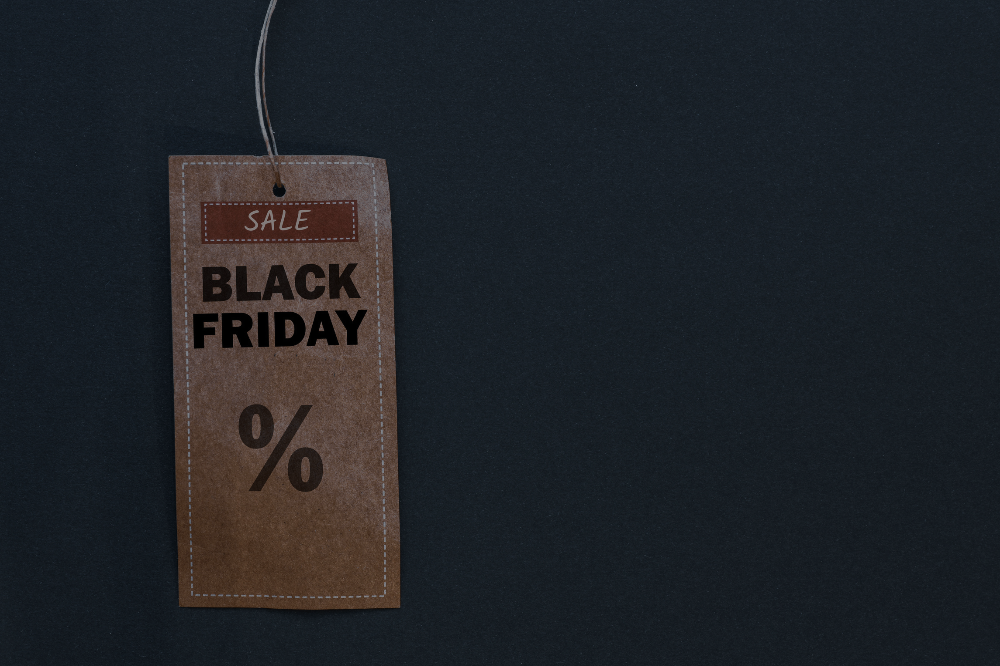
Finding a product at a great price during Black Friday feels like a win, until you see the same item selling for less a few days later. Fortunately, Black Friday price protection may help you recover the difference, depending on the retailer’s policy or the benefits included with your credit card.
However, not every purchase qualifies for a refund when prices change. Coverage depends on where you bought the item, how you paid, and how much time has passed. Here’s what to check before assuming you’re covered.
What Is Black Friday Price Protection?
Price protection is a benefit that may refund the difference between the amount you paid for an item and a lower price advertised shortly after your purchase.
For example, imagine you buy a laptop for $900 during an early Black Friday sale. Five days later, the same retailer advertises that exact model for $800. If your purchase qualifies, you may be able to request the $100 difference.
There are two main ways to get this type of coverage:
- Retailer price adjustments: A store may refund part of your purchase price if it lowers the price of the same product within a specific period.
- Credit card price protection: Some eligible credit cards reimburse customers when an identical item appears at a lower price after purchase.
The main difference is where the lower price must appear. A retailer may only adjust its own prices, while a credit card benefit may recognize qualifying advertisements from other authorized sellers.
Neither option guarantees a refund for every Black Friday discount.
Does Your Credit Card Offer Price Protection?
Some credit cards include price protection as a complimentary benefit, but this feature has become less common among major issuers. For that reason, don’t assume your card will refund the difference simply because you used it to pay.
Start by reviewing your card’s Guide to Benefits. Look for a section titled “Price Protection” and confirm whether the benefit applies to your specific card, not just the payment network or card family.
For example, a Capital One benefits guide describes coverage that can reimburse eligible cardholders when an identical product appears in a qualifying advertisement at a lower price within 120 days of purchase.
The guide sets these reimbursement limits:
- $250 per item;
- $1,000 per year.
These terms apply only to accounts covered by that specific guide.
BECU also advertises price protection for eligible Visa cardholders, with different limits:
- Up to 60 days of coverage;
- $500 per item;
- $2,500 per year.
Its terms may differ from those of other issuers.
Before relying on Black Friday price protection through your credit card, check:
- Whether your specific card includes the benefit;
- How many days you have to find a lower price;
- The maximum reimbursement per purchase and per year;
- Which retailers and advertisements qualify;
- Whether you must pay for the entire purchase with the card;
- Which products and promotions the policy excludes.
If the benefits guide doesn’t answer your questions, call the number on the back of your card.
Do Retailers Offer Black Friday Price Adjustments?
Some stores let customers request a partial refund when their own prices drop after a purchase. This practice is called a price adjustment, and each retailer establishes its own conditions.
A store may offer adjustments throughout the year but exclude major promotional periods. Others may cover only selected products or purchases made within a limited date range. That’s why you should check the store’s terms rather than assume its regular policy also applies to holiday sales.
Newegg provides a specific example for its 2026 Black Friday campaign. Eligible products displaying the “Black Friday Price Protection” badge and purchased between November 1 and November 18 may qualify for an automatic refund if Newegg lowers the price of the same item by November 28.
According to the campaign terms:
- Eligible purchases must fall within the specified November purchase period.
- The product must display the required price protection badge.
- The lower price must appear by November 28.
- Eligible refunds should reach the original payment method by December 8.
The offer remains subject to the program’s exclusions and conditions.
This promotion illustrates how Black Friday price protection can work directly through a retailer. However, it is a store-specific offer, not a general guarantee for every Newegg purchase or other retailer.
Before completing an order, look for terms such as “price adjustment,” “price guarantee,” or “Black Friday Price Protection.” If you can’t find clear information, contact customer service and ask whether the store refunds the difference after checkout.
What Purchases Are Usually Excluded?
Even when a credit card or retailer offers price protection, the benefit generally comes with restrictions. A lower advertised price doesn’t automatically qualify for reimbursement.
Depending on the policy, common exclusions may include:
- Clearance and liquidation sales: These promotions may fall outside standard price adjustment rules.
- Auction listings: Certain auction platforms and marketplace sellers may not qualify.
- Used and refurbished products: Open-box items may also be excluded.
- Product bundles: Special packages and promotional combinations may not qualify.
- Different product versions: Items with different model numbers or specifications may not count as identical.
- Targeted discounts: Offers available only through membership programs or selected customers may be excluded.
Some policies also exclude shipping charges, sales tax, manufacturer rebates, and limited-time promotions.
The product usually needs to match the original purchase exactly. A television with a different model number, for example, may not qualify even if it looks nearly identical and has similar features.
These restrictions can affect Black Friday price protection even when you find a lower price within the coverage period. Review the exclusions before submitting a claim, especially if the new offer comes from a marketplace seller or includes a promotional discount.
How to Request a Price Protection Refund
If you notice a price drop after purchasing an eligible item, act quickly. Most programs impose a deadline for finding the lower price and submitting your request.
Although the process varies, you can generally follow these steps:
- Check the coverage period: Confirm that the price dropped within the period established by your card or retailer.
- Compare the products: Make sure the lower-priced listing refers to the exact same item, including its model number and specifications.
- Save the evidence: Take a screenshot or keep a copy of the advertisement showing the lower price, seller, and date.
- Gather your purchase documents: Find the original receipt, order confirmation, and credit card statement if required.
- Submit your request: Contact the retailer or use the benefit administrator’s claim process, depending on the type of coverage.
- Follow up: Keep the claim number and check whether the company needs additional information.
To request Black Friday price protection, you may need to complete a claim form and provide supporting documents. Some card benefits also require you to contact the retailer first because coverage may apply only after other price-adjustment options.
Keep your receipts and screenshots even after the initial purchase. A lower price can appear quickly during the holiday shopping season, and having the documentation ready makes the process easier.
Is Price Protection the Same as Purchase Protection?
No. Although the names sound similar, these benefits cover different situations.
Price protection may reimburse you when an eligible product becomes cheaper after you purchase it. Purchase protection, on the other hand, generally covers eligible items against certain types of accidental damage or theft during a specified period after purchase.
Consider these examples:
- Price drop: You buy headphones for $150, and the price falls to $120. Price protection may help you recover the $30 difference.
- Accidental damage or theft: Those same headphones are stolen or accidentally damaged shortly after purchase. Purchase protection may apply instead, depending on the policy.
A credit card issuer may offer one benefit without including the other. Check your Guide to Benefits to understand which protections your account actually provides.
How to Shop More Confidently During Black Friday
A little preparation can help you avoid paying more than necessary and understand your options if a price changes after checkout.
Before buying an expensive item, take a few precautions:
- Compare prices: Check the same product across different retailers before completing your order.
- Review card benefits: Confirm whether your credit card includes price protection and understand its limits.
- Save product information: Keep the product page, model number, and order confirmation for future reference.
- Check the return policy: Understand whether you can return the item if another store offers a better price.
If Black Friday price protection isn’t available, returning the item and purchasing it again at the lower price might be an alternative. However, this only makes sense if the retailer accepts the return, the product remains eligible, and shipping or restocking fees don’t eliminate the savings.
Ultimately, price protection can provide an extra layer of savings, but it shouldn’t be the only factor in your purchase decision. Check the terms before paying, keep your documentation, and compare the total cost before choosing where to shop.
Frequently Asked Questions (FAQ)
Do all credit cards offer Black Friday price protection?
No. Many credit card issuers no longer include this benefit. Check your specific card’s Guide to Benefits or contact the issuer to confirm whether your account qualifies.
How long does price protection last after a purchase?
The coverage period depends on the program. Some policies allow claims within 30 or 60 days, while others provide longer periods. Always check the deadline in the applicable terms.
Can I get a refund if another store offers the product for less?
Possibly. Some credit card policies recognize lower advertised prices from other authorized retailers. Store price-adjustment policies, however, usually apply only to the retailer’s own prices.
Does price protection apply to Black Friday and Cyber Monday deals?
It depends on the policy. Some programs cover qualifying seasonal promotions, while others exclude limited-time sales, clearance events, or specific promotional offers.
What should I do if my price protection claim is denied?
Review the reason for the denial and compare it with the program’s terms. If you believe the purchase meets the requirements, contact the retailer or benefit administrator again and provide the requested documentation. You can also ask your card issuer to explain the decision.