
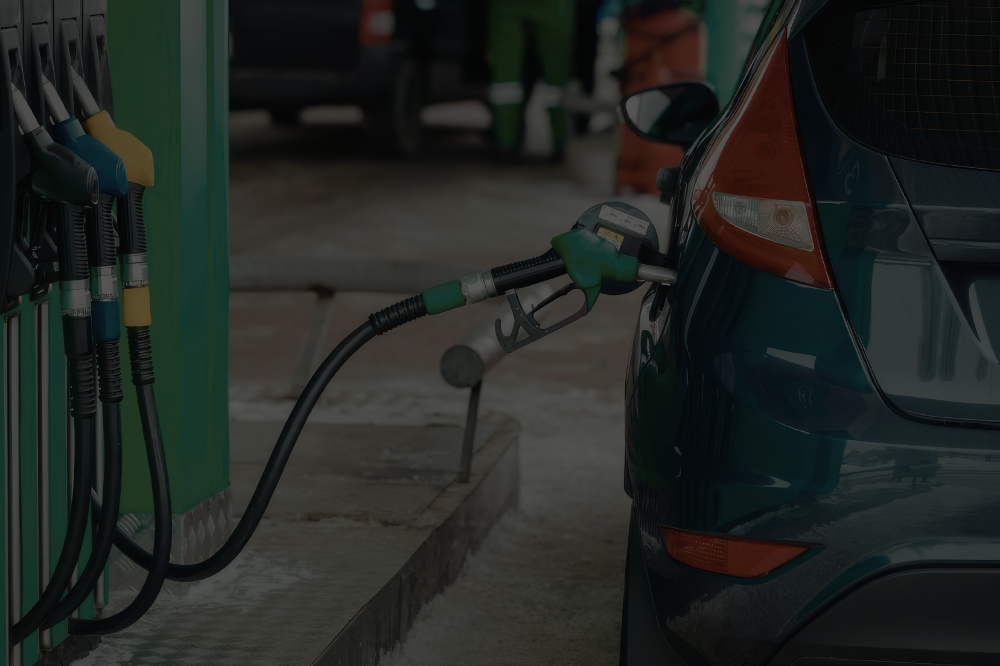
South African motorists and businesses are once again facing the volatility of the global energy market. Fuel prices in South Africa are not just a transport cost; they are a primary driver of headline inflation, affecting everything from food prices to logistics. In 2026, the Department of Mineral Resources and Energy (DMRE) continues to adjust prices based on international and domestic variables that remain highly unpredictable.
Understanding the mechanics of a fuel price update is essential for managing your personal or business cash flow. Because South Africa is a net importer of crude oil, we are uniquely vulnerable to geopolitical shifts and currency fluctuations. Whether you are a commuter or a fleet manager, knowing the “why” behind the price at the pump is the first step in strategic financial planning.
The Basic Fuel Price (BFP) Mechanism
The price you pay at a Shell, Sasol, or Engen Westgate station is determined by the Basic Fuel Price (BFP). This is a formula used by the DMRE to calculate the cost of importing fuel into South Africa. It includes the international price of refined petroleum products and the cost of shipping, insurance, and storage.
In 2026, the BFP remains the most volatile component of the pump price. It is heavily influenced by the price of Brent Crude Oil on the global market. Even a minor disruption in the Middle East or a production cut by OPEC+ can lead to an immediate “under-recovery” in the local fuel price, which eventually filters down to the consumer in the next monthly adjustment.
The Role of the Rand-Dollar Exchange Rate
Because oil is traded globally in U.S. Dollars, the strength or weakness of the South African Rand (ZAR) is a critical factor. When the Rand weakens against the Dollar, it costs more to import the same amount of fuel, leading to a price hike regardless of the actual oil price.
In early 2026, the Rand has faced pressure from both domestic economic outlooks and the “Higher-for-Longer” interest rate environment in the United States. A weak Rand acts as a multiplier for fuel price increases. Conversely, periods of Rand strength can provide a much-needed “over-recovery,” allowing the DMRE to announce a price decrease, providing relief to the Debt-to-Income (DTI) ratios of average South African households.
Taxes and Levies: The Fixed Burden
While the BFP fluctuates, a large portion of the South African fuel price is comprised of fixed taxes and levies. The two most significant are the General Fuel Levy (GFL) and the Road Accident Fund (RAF) Levy. Together, these can account for nearly 25% to 30% of the total price per litre.
For the 2026/2027 fiscal year, the National Treasury has had to balance the need for revenue with the burden on the consumer. Any decision to “freeze” these levies—as seen in previous years—provides temporary relief but creates a funding gap for the RAF. These levies are non-negotiable and are integrated into the final regulated price, meaning motorists have no way to “shop around” for lower taxes.
Retail and Wholesale Margins
The final layer of the fuel price update involves the margins paid to wholesalers and retailers. These margins are regulated to ensure that fuel stations remain viable while protecting consumers from price gouging.
These margins cover the costs of operating a petrol station, including labor, electricity, and the specialized equipment required for fuel storage. In 2026, rising operational costs for retailers have led to slight adjustments in these margins, which are typically reviewed annually by the DMRE to ensure the sustainability of the downstream petroleum industry.
The Impact on Logistics and Food Inflation
Fuel is the lifeblood of the South African logistics network. Since the majority of the country’s freight is moved by road rather than rail, an increase in the diesel price has an immediate “pass-through” effect on the cost of goods.
When transport companies pay more for diesel, they increase their rates to retailers like Checkers, Pick n Pay, or Woolworths. These retailers, in turn, adjust the prices of essential goods to protect their profit margins. This is why a significant fuel price hike is often followed by a spike in food inflation, impacting the most vulnerable segments of the population.
Strategic Fuel Management for Motorists
While you cannot control the global price of oil, you can control your consumption. In 2026, “fuel-efficient driving” has moved from a suggestion to a financial necessity.
- Vehicle Maintenance: Ensure your tires are correctly inflated and your engine is serviced. Poor maintenance can increase fuel consumption by up to 10%.
- Optimized Routes: Use apps like Google Maps or Waze to avoid heavy traffic, which leads to excessive idling and fuel waste.
- Reward Programs: Leverage bank rewards. For example, FNB eBucks and Standard Bank UCount offer significant cash back or points when you fuel up at partnered stations like Sasol or Caltex/Astron Energy.
How to Track Fuel Price Changes
The DMRE typically announces the fuel price adjustment on the first Wednesday of every month. These changes are based on the average “under-recovery” or “over-recovery” recorded during the preceding month.
Organizations like the Automobile Association (AA) provide mid-month previews based on data from the Central Energy Fund (CEF). These previews are [ESTIMATES] but are generally highly accurate, allowing motorists to plan their fill-ups. If a massive increase is predicted, filling your tank before the midnight deadline can save you a noticeable amount on a full tank.
The Long-Term Outlook: Transitioning to EV
As fuel prices remain structurally high in 2026, more South Africans are looking at Electric Vehicles (EVs) or Hybrids. While the initial “invested capital” for an EV is high, the cost per kilometer is significantly lower than internal combustion engines.
However, the lack of widespread charging infrastructure and the impact of the carbon tax on electricity generation remain hurdles. For now, most South Africans are stuck in the cycle of monthly fuel price adjustments, making the monitoring of these updates a critical part of household budgeting.
Navigating the High-Cost Environment
Staying informed about each fuel price update is the only way to avoid “sticker shock” at the pump. In the 2026 economic climate, every cent counts. By understanding the link between the Rand, Brent Crude, and the regulated levies, you can better project your monthly expenses. South Africans have proven resilient in the face of rising costs, but strategic planning—using rewards programs and efficient driving—remains the best defense against the ever-changing price of mobility.
FAQ: Fuel Price Update South Africa 2026
Inland provinces (like Gauteng) pay more for fuel because of the cost of transporting the fuel from the coastal refineries and ports via pipelines and trucks. This is known as the “Zone Differential.”
The government receives a fixed amount through the Fuel Levy and RAF Levy. While they don’t profit more when the price goes up, they do rely on the volume of fuel sold to fund the national budget.
For individual motorists, storing fuel at home is dangerous and often illegal due to fire safety regulations. For businesses, wholesale bulk buying is possible but requires specialized infrastructure.
The RAF Levy is usually adjusted once a year during the National Budget Speech in February, though the government may choose to keep it unchanged to assist consumers.