
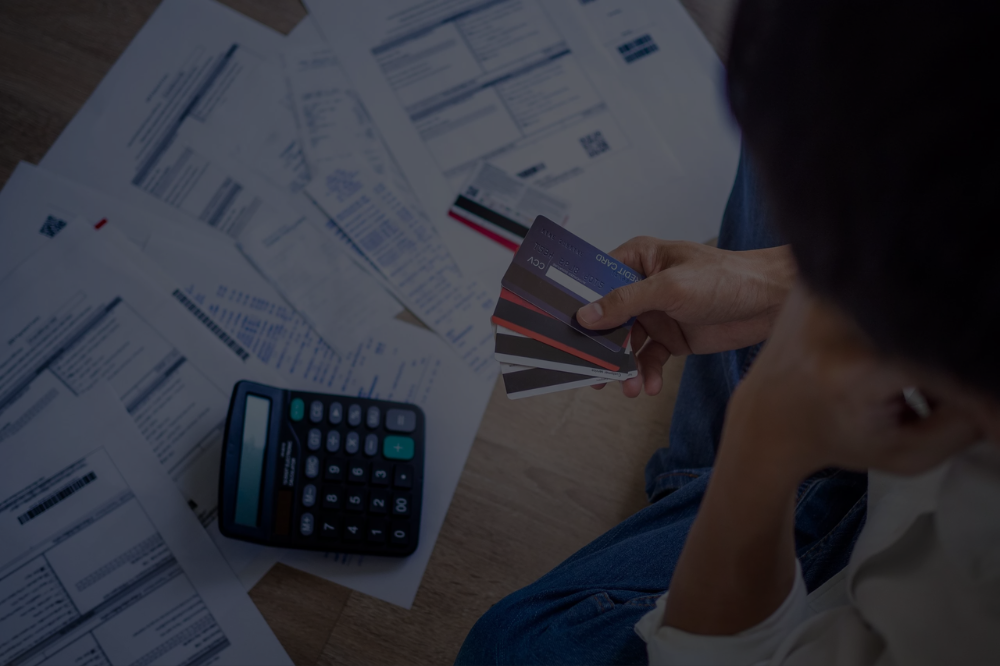
We all have that monthly ritual. You sit down with a stack of mail—or an overflowing email inbox—and begin the process of transferring money from your bank account to your various service providers. Electricity, internet, insurance, streaming services; the list seems to grow every year. But paying bills with a credit card can be very helpful!
For many, the default method is a direct debit from a checking account. It’s safe, it’s standard, and it works. But if you are a strategic spender, you might be looking at that credit card in your wallet and wondering if it could be doing more heavy lifting.
Can you pay those bills with plastic? In most cases, the answer is yes. Should you? That answer is a bit more complicated.
Using a credit card to manage monthly expenses can be a powerful hack for earning rewards and streamlining your finances, but it comes with specific risks that can cost you money if you aren’t careful. Before you switch all your accounts over, you need to understand the mechanics of merchant fees, interest rates, and credit utilization.
Paying Bills With a Credit Card: Which Options are Available?
Before diving into the strategy, let’s look at logistics. Not every merchant accepts credit cards, and those that do often handle them differently.
The “Yes” List
Most service-based companies have modernized their payment systems to accept major credit cards. You can typically use your card for:
- Utilities: Water, gas, and electricity providers usually accept cards, though this is a common place to find convenience fees (more on that later).
- Telecommunications: Cell phone, landline, and internet bills are almost always card-friendly.
- Subscription Services: Netflix, Spotify, gym memberships, and meal kit deliveries are practically designed for credit card autopay.
- Insurance: Car, renters, and home insurance premiums can often be paid via card.
The “No” (or “Hard to Do”) List
Generally, lenders do not allow you to pay debt with debt. This prevents a cycle where a consumer pays off a low-interest loan with a high-interest credit card. You typically cannot use a credit card directly for:
- Mortgages: Most mortgage servicers require a bank transfer.
- Car Loans: Auto lenders usually require a direct debit.
- Student Loans: Federal and private loan servicers generally do not accept credit cards directly.
There are third-party services that facilitate these payments for a fee, but the cost usually outweighs the benefits.
The Case for Switching: Why Use a Credit Card?
If you have the discipline to manage it correctly, funneling your bills through a credit card has significant advantages over using a debit card or check.
1. Racking Up Rewards
This is the primary motivator for most people. If you have a card that offers 1.5% to 2% cash back, or points for every dollar spent, paying bills is an easy way to accumulate value on money you were going to spend anyway.
If your monthly bills total $2,000, a 2% cash back card earns you $40 a month. That’s $480 a year back in your pocket just for changing your payment method.
If you are chasing travel miles or a sign-up bonus that requires a minimum spend (e.g., “Spend $3,000 in the first three months”), paying bills is the fastest, most responsible way to hit that target without buying things you don’t need.
2. Streamlining Your Finances
Managing cash flow can be tricky if your bills are due on the 1st, 5th, 15th, and 28th, but you get paid bi-weekly. When you pay with a credit card, you consolidate all those individual due dates into a single payment date: your credit card bill due date.
This allows you to see all your expenses at a glance on one statement, making budgeting significantly easier. It effectively gives you a “float”—a grace period where you keep your cash in your checking account a little longer before paying the credit card bill.
3. Enhanced Security and Protection
Credit cards generally offer robust fraud protection compared to debit cards. If a recurring billing merchant accidentally overcharges you or charges you after you’ve cancelled, disputing the charge is often easier with a credit card issuer.
You aren’t out the actual cash while the dispute is being resolved, unlike with a debit card where the money leaves your account instantly.
The Risks: When You Should Stick to Cash
While the rewards are tempting, the math doesn’t always work out in your favor. There are three main scenarios where paying bills with a credit card is a bad idea.
1. The Convenience Fee Trap
This is the most critical factor to check. Businesses pay processing fees to accept credit cards. Retailers usually absorb this cost, but utility companies, landlords, and government agencies (for taxes) often pass this cost to you in the form of a “convenience fee.”
These fees typically range from 2% to 3%.
The Math:
- Scenario A: Your electric bill is $150. There is no fee. You earn 2% cash back ($3.00). Win.
- Scenario B: Your rent is $1,500. The portal charges a 3% convenience fee ($45). You earn 2% cash back ($30). Loss.
In Scenario B, you are losing $15 just to use your card. Unless the rewards rate exceeds the fee, stick to a bank transfer.
2. The Interest Spiral
The strategy of paying bills with a credit card relies entirely on one rule: You must pay the balance in full every month.
If you carry a balance, credit card interest rates (often upwards of 20% APR) will obliterate any rewards you earned.
Paying a $100 internet bill with a credit card and then paying $15 in interest on it over a few months makes that internet bill significantly more expensive.
If you are struggling to pay off your credit card balance currently, do not add your household bills to that load.
3. Credit Utilization Impact
Your credit score is partially determined by your credit utilization ratio—the amount of credit you are using compared to your limit. If you have a $5,000 limit and you put $4,000 worth of bills on the card, your utilization spikes to 80%.
Even if you pay it off in full, high utilization can temporarily ding your credit score. If you plan to use this strategy, ensure your credit limit is high enough to handle the volume of bills without maxing out the card.
How to Set Up a Bill Payment Strategy
Ready to make the switch? Don’t just start swiping. Follow this workflow to ensure you are maximizing benefits and minimizing costs.
Audit Your Bills
Make a list of every recurring bill you have. Check the payment terms for each one. Mark which ones have a convenience fee and which ones are fee-free.
Choose the Right Card
If you have multiple credit cards, check their specific reward categories. Some cards offer higher percentages for “utilities” or “telecommunications.” Use the card that maximizes the return for that specific bill category.
Automate (With Caution)
For fixed-amount bills like internet or streaming, set up autopay on the merchant’s side using your credit card information. This ensures you never miss a payment.
For variable bills (like electricity in the summer vs. winter), some people prefer to pay manually each month so they can review the statement for errors before the charge goes through.
Leverage Virtual Cards
Some issuers, like Capital One, offer virtual card numbers. These are unique numbers linked to your account that you can use for specific merchants.
If you are signing up for a new subscription service or paying a smaller vendor, using a virtual card adds a layer of security.
If that specific number is compromised, you can lock it without having to replace your physical card and update every other bill.
FAQ: Common Questions About Bill Payments
Can paying bills with a credit card build my credit score?
Yes, indirectly. Payment history is the biggest factor in your credit score. If you charge your bills to your card and then pay the credit card bill on time every single month, you are building a solid history of reliability.
However, simply paying a utility bill with a card doesn’t report to bureaus; paying the credit card bill is what counts.
Is it safe to put bills on autopay?
generally yes, but you must remain vigilant. Autopay is convenient, but it can make you complacent.
You should still log in to your credit card account weekly or monthly to review transactions. This ensures you catch any billing errors or subscription price hikes early.
What happens if I return a payment?
If a bill payment is rejected because your card is maxed out or expired, the service provider may charge a returned payment fee, similar to a bounced check fee. Always keep your card details updated with your providers, especially when you receive a new card with a new expiration date.
The Bottom Line!
Paying bills with a credit card is a financial power move, but it requires discipline. It turns necessary expenses into travel points, cash back, and a stronger credit history.
However, the margin for error is slim. One missed payment or a few months of carrying a balance can erase years worth of rewards.
Start small. Pick one or two fee-free bills, like your internet or cell phone, and switch them to your credit card. Set up an automatic payment to clear your credit card balance every month. Once you are comfortable with the cash flow, you can expand to other bills.
Just remember the golden rule: If there is a fee, or if you can’t pay it off immediately, keep the credit card in your wallet!